
Engaging students experiencing basic needs insecurity
This is the second pilot in our series of tests to increase student success through basic needs support.
Student outcomes are closely tied to whether their basic needs—such as food, housing, and healthcare—are met, yet many college students who are eligible for public benefits never receive them. Even when students experience and disclose food or housing insecurity, the path from identifying a need to applying for support can be unclear or difficult to navigate. In this pilot, we tested how different outreach tactics, and the timing of those messages, shape students’ likelihood of engaging with follow-up support.
Our approach
After encouraging students to report basic needs insecurities during onboarding, we sought to understand how colleges can use scalable outreach strategies to support students in taking a next step toward available resources. We piloted a set of behaviorally informed outreach messages designed to encourage engagement in a concrete support opportunity. In this pilot, that opportunity took the form of a public benefits workshop.
The workshop walked students through the BenefitsCal application process and addressed common questions about eligibility, documentation, and next steps. Students were randomly assigned to receive either a generic outreach message (control) or a behaviorally informed message (test). In total, this pilot reached 1,283 Calbright students who enrolled over a five-month period. The messages applied several evidence-based communication strategies designed to drive student engagement, including:
Personalizing subject lines
Highlighting that many students face similar basic needs challenges and seek support, to normalize engagement
Positioning benefits as supportive of student success
Adding deadline cues and action-oriented language to encourage timely action
Timing outreach to follow soon after onboarding, when students were already engaged
Together, this approach allowed us to test whether behaviorally informed messaging— and its timing—could increase students’ likelihood of engaging with concrete next steps for accessing public benefits.
The results
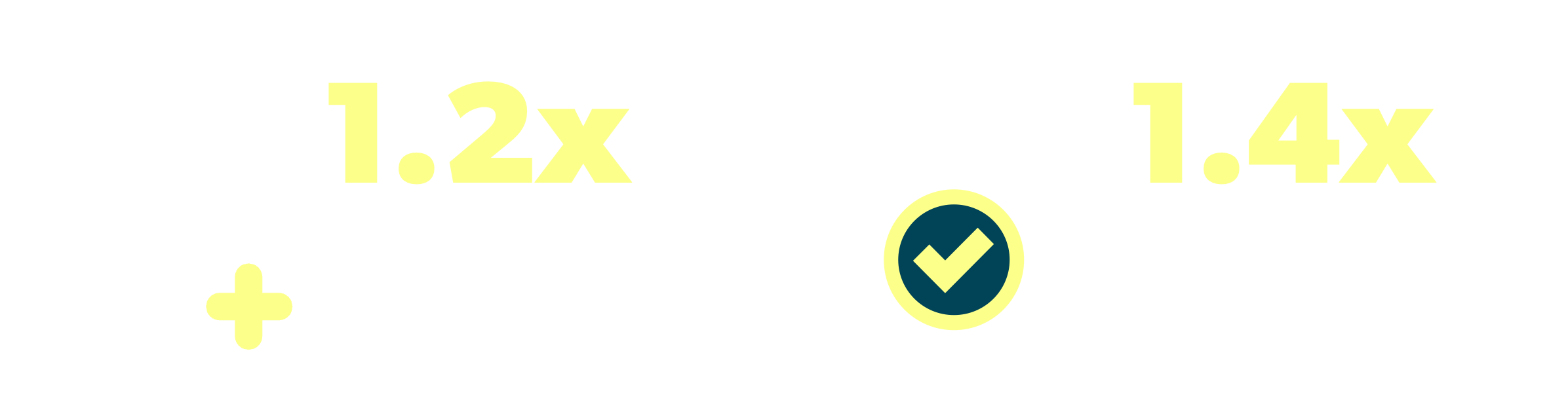
Students who received behaviorally informed outreach were 1.2 times more likely to register for the public benefits workshop and 1.4 times more likely to attend than those who received generic outreach. This directional evidence suggests that colleges can help drive student engagement around basic needs by using strategic framing tactics in their outreach.
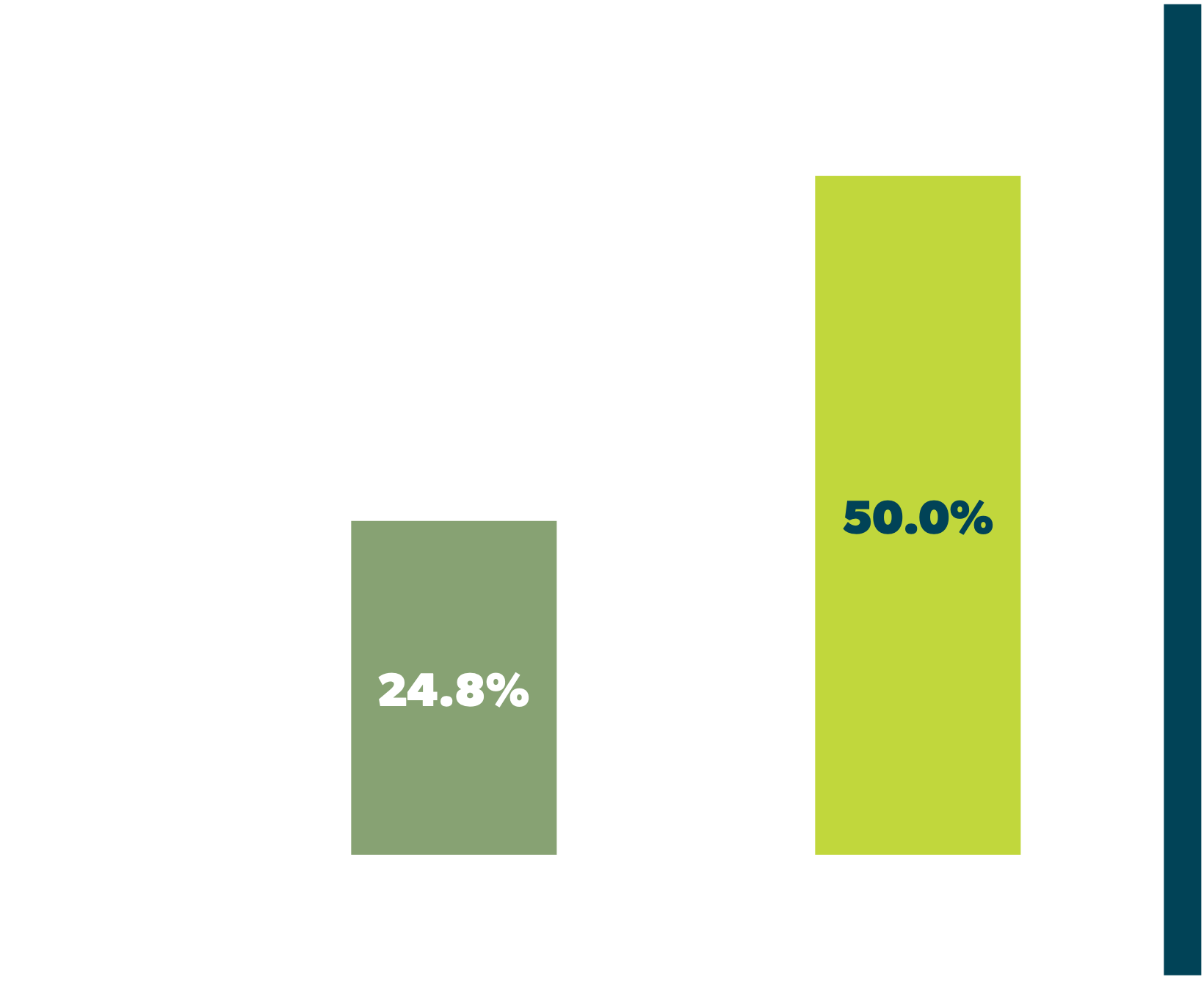
The timing of outreach also made a meaningful difference. Inviting students to attend the workshop within the first month of their enrollment led to more than twice the rate of attendance, regardless of which message they received—suggesting that outreach delivered soon after onboarding, when students are already engaged and have recently disclosed their needs, may be especially effective.
Taken together, these results suggest that both how and when colleges communicate about basic needs support matter. This approach is also highly adaptable: this kind of behaviorally informed outreach can be delivered through email, text, or in-platform messaging, and applied across different programs and institutional contexts. With relatively small changes to message framing and timing, colleges can better sustain momentum and support students in taking next steps toward available resources.
What students say…
“I knew about the benefits, but I didn’t know how to apply through the BenefitsCal website until I attended the workshop.”
“This is all kind of new to me. I just learned about the BenefitsCal website through the workshop. It’s nice that you can apply for food [assistance] and healthcare in the same place…it didn’t used to be like that.”
